
PZ Turtle Trading Indicator V2.0 MT5 – Complete Review & Breakout Strategy Guide
The PZ Turtle Trading Indicator V2.0 MT5 is one of the most fascinating tools ever created for MetaTrader users, especially if you're someone who appreciates rule-based trading. Built on the iconic principles of Richard Dennis and Bill Eckhardt, this indicator brings the legendary Turtle Trading System straight onto your MT5 charts. If you’re tired of random indicators and messy market noise, this one stands out because it’s grounded in decades of proven market behavior, real experiments, and historically validated rules.
The Turtle Trading system itself is built on a simple but powerful premise — trade breakouts of major highs and lows, manage risk using volatility (ATR), and follow trends without hesitation. The PZ Turtle Trading Indicator preserves all these core ideas while making it far easier to apply them visually. From beginners to advanced traders, this tool provides structure, clarity, and disciplined entries. Let’s dive deeper into everything it offers.
Overview of the Turtle Trading Strategy
Before discussing the indicator, it’s important to understand what makes the Turtle Trading method so unique. In the early 1980s, legendary trader Richard Dennis made a bet with William Eckhardt. Dennis believed traders could be trained, while Eckhardt insisted great traders were born. To settle the debate, Dennis picked a group of ordinary people — teachers, accountants, game designers — trained them for two weeks, and gave them capital to trade.
These “Turtles” used a strictly mechanical breakout system. The result?
They reportedly earned over $175 million in just five years.
The rules were simple:
- Buy when price breaks above the N-day high.
- Sell when price breaks below the N-day low.
- Exit when M-day levels are breached (M < N).
- Use ATR for stop-loss & pyramiding.
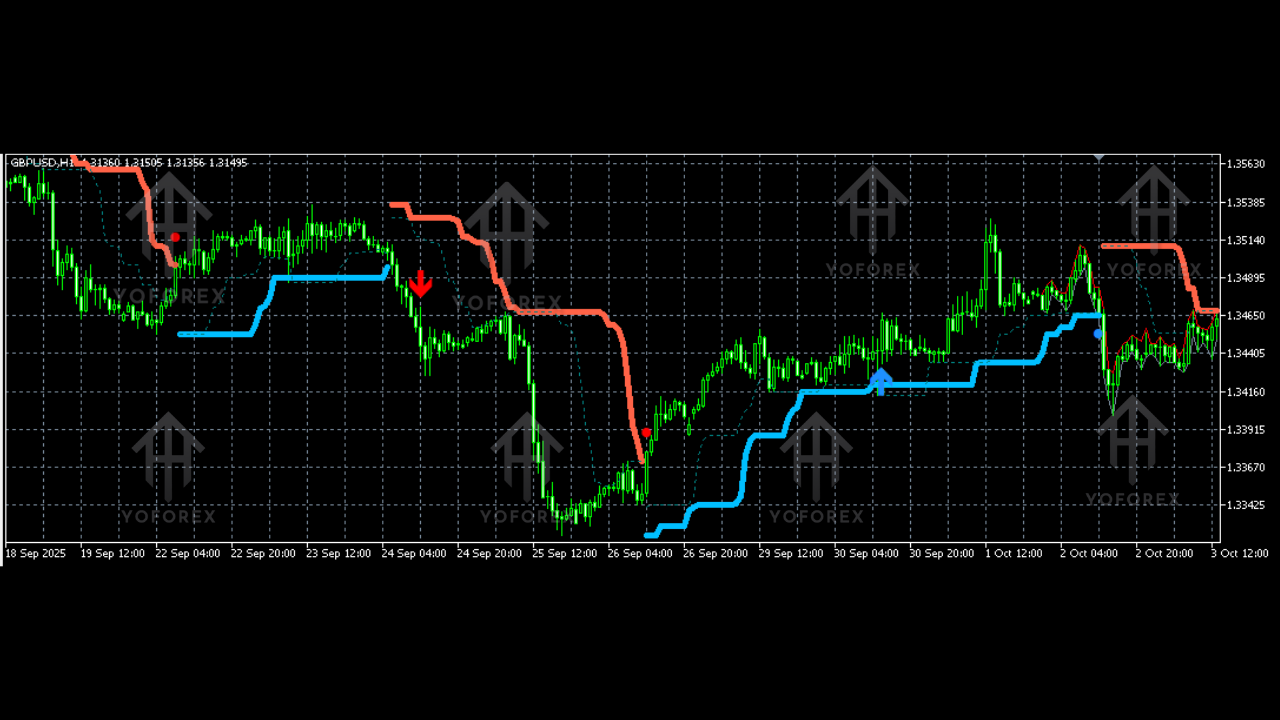
The PZ Turtle Trading Indicator V2.0 MT5 carefully follows these rules and visualizes everything directly on your chart.
How PZ Turtle Trading Indicator V2.0 Works
This indicator is designed to mimic the exact logic followed by the Turtles. It identifies breakout levels, exit points, volatility stops, and even provides clarity on trend direction.
Here’s a breakdown of the rules the indicator uses:
1. System One (S1) – 20-Day Breakouts
The Turtles’ initial entry method was based on 20-day highs and lows. But there was a catch.
They would ignore a breakout signal if the previous signal was profitable. This was designed to avoid entering too late into a trend.
However, ignoring signals also created a risk — what if the trend had just begun and they missed it entirely?
2. System Two (S2) – 55-Day Breakouts
To solve this problem, Dennis and Eckhardt added a fail-safe:
If S1 was skipped and the market kept trending, the trader could still enter at the 55-day breakout.
PZ Turtle Trading Indicator applies this rule perfectly.
If the last S1 signal was skipped or profitable, S2 becomes your next valid entry.
3. ATR-Based Stop Loss (N-Value)
The Turtles used ATR(30) to measure volatility.
Their stop loss = 2 × ATR(30) (two volatility units).
This means stops adapt to market behavior. In volatile markets, stops widen. In slow markets, stops tighten.
The indicator calculates this automatically.
4. Pyramiding Up to 4 Positions
One of the most powerful features:
The Turtles added positions as trends moved in their favor.
Their rule:
Add a new position every 0.5 ATR (half-volatility unit).
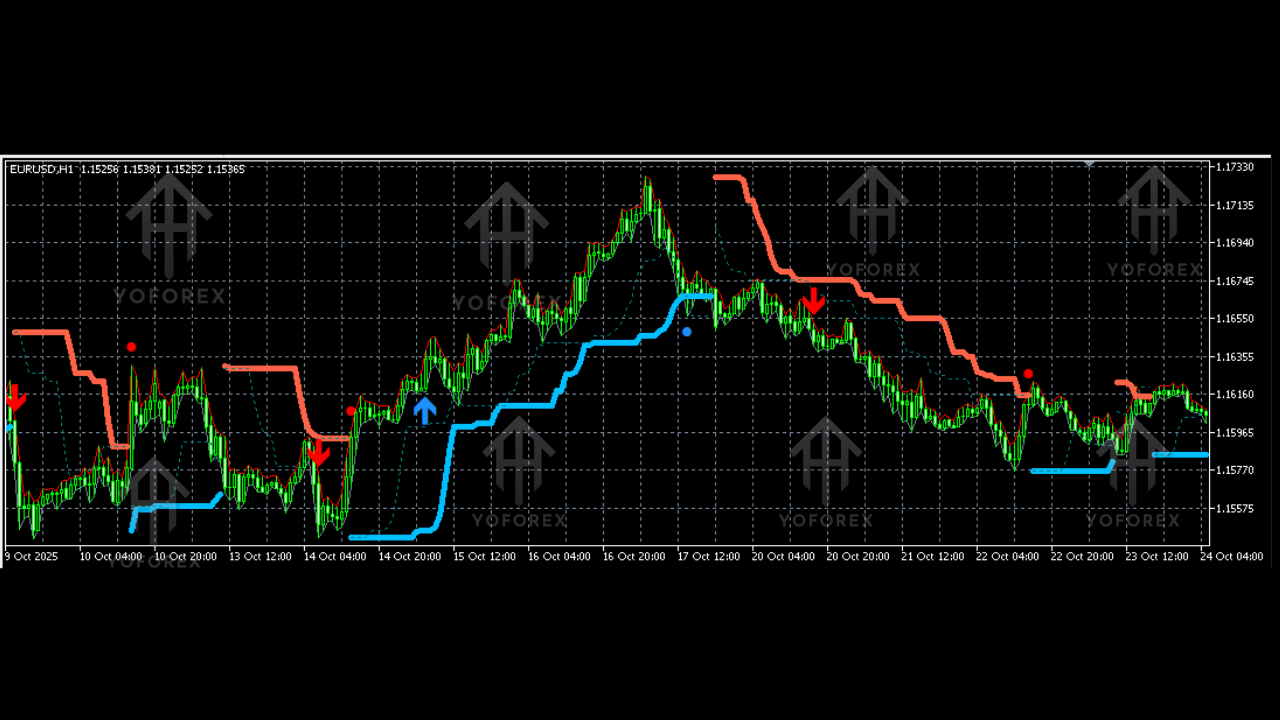
The indicator marks these levels on the chart, helping traders add positions safely.
Why Traders Use This Indicator
The main reason the PZ Turtle Trading Indicator is so popular is because it transforms a historically proven system into a visually easy, rule-based tool.
You get:
- Clear breakout entry signals
- Stop-loss placement based on ATR
- Trend-following logic without emotion
- Automatic System 1 & System 2 detection
- Pyramiding guidance
- Breakout levels marked on chart
- Structure & discipline
Several traders find this indicator extremely helpful because:
- It avoids overtrading
- It teaches discipline
- It keeps you inside long trends
- It eliminates second-guessing
- It works on forex, gold, indices, crypto, commodities
Breakdown of Entry Rules Within the Indicator
System One (20-Day Breakout)
- Buy when price breaks above the previous 20-day high
- Sell when price breaks below the 20-day low
- Only valid if last S1 signal was a loss
System Two (55-Day Breakout)
- Buy the 55-day high breakout if flat
- Sell the 55-day low breakout if flat
- Acts as a safety net if S1 signals were filtered
Risk Management (ATR-Based)
- Initial stop:
Stop = Entry ± (2 × ATR(30)) - Add positions every 0.5 × ATR
- Maximum 4 positions
This system has been backtested for decades and continues to work on trend-based instruments.
Strengths of the Indicator
- Emotion-free trading rules
Everything is mechanical. No guessing. - Perfect for trend-followers
This captures long-term trends beautifully. - Works on multiple markets
Forex, Gold, NAS100, Oil, BTC, etc. - Clear risk management
ATR-based stops are logical and adaptive. - Historically proven
This is not a fantasy system; it made millions.
Limitations to Keep in Mind
- Works best in trending markets
- Difficult during choppy or sideways ranges
- Requires patience — trends sometimes take time
- Pyramiding requires discipline
- Not a scalping tool — this is a long-term system
But these are natural characteristics of any trend-following breakout strategy.
Who Should Use the PZ Turtle Trading Indicator?
This indicator is perfect for:
- Trend-followers
- Swing traders
- Commodity traders
- Forex traders
- Traders seeking mechanical rules
- Those who prefer higher-timeframe trading
H1, H4, and Daily charts work beautifully with this method.
Conclusion
The PZ Turtle Trading Indicator V2.0 MT5 is one of the most faithful recreations of the Turtle system ever built for MetaTrader. If you want a strategy that has stood the test of time and generated real millions in its origin story, this is one of the strongest breakout-based indicators available today.






Comments (0)
No comments yet. Be the first to comment!
Leave a Comment