
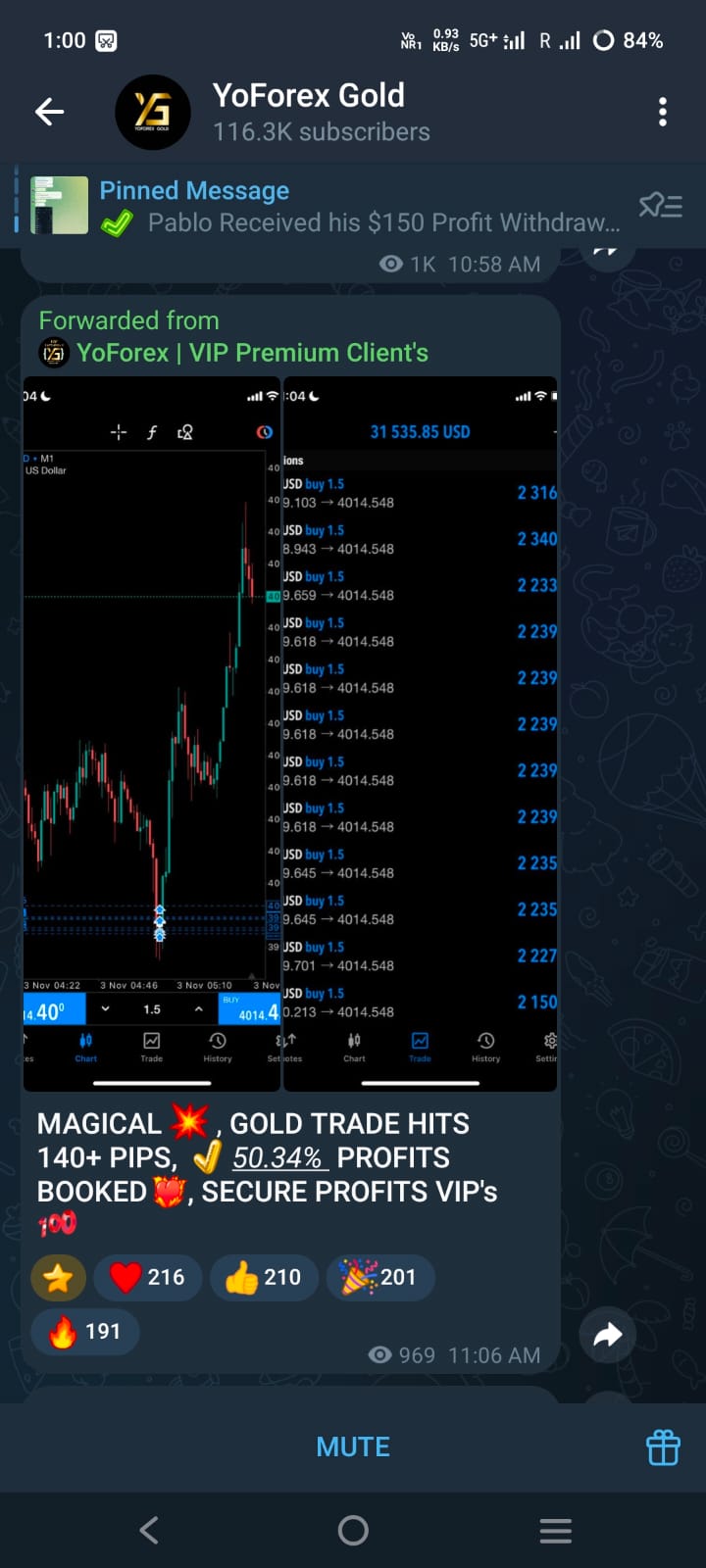
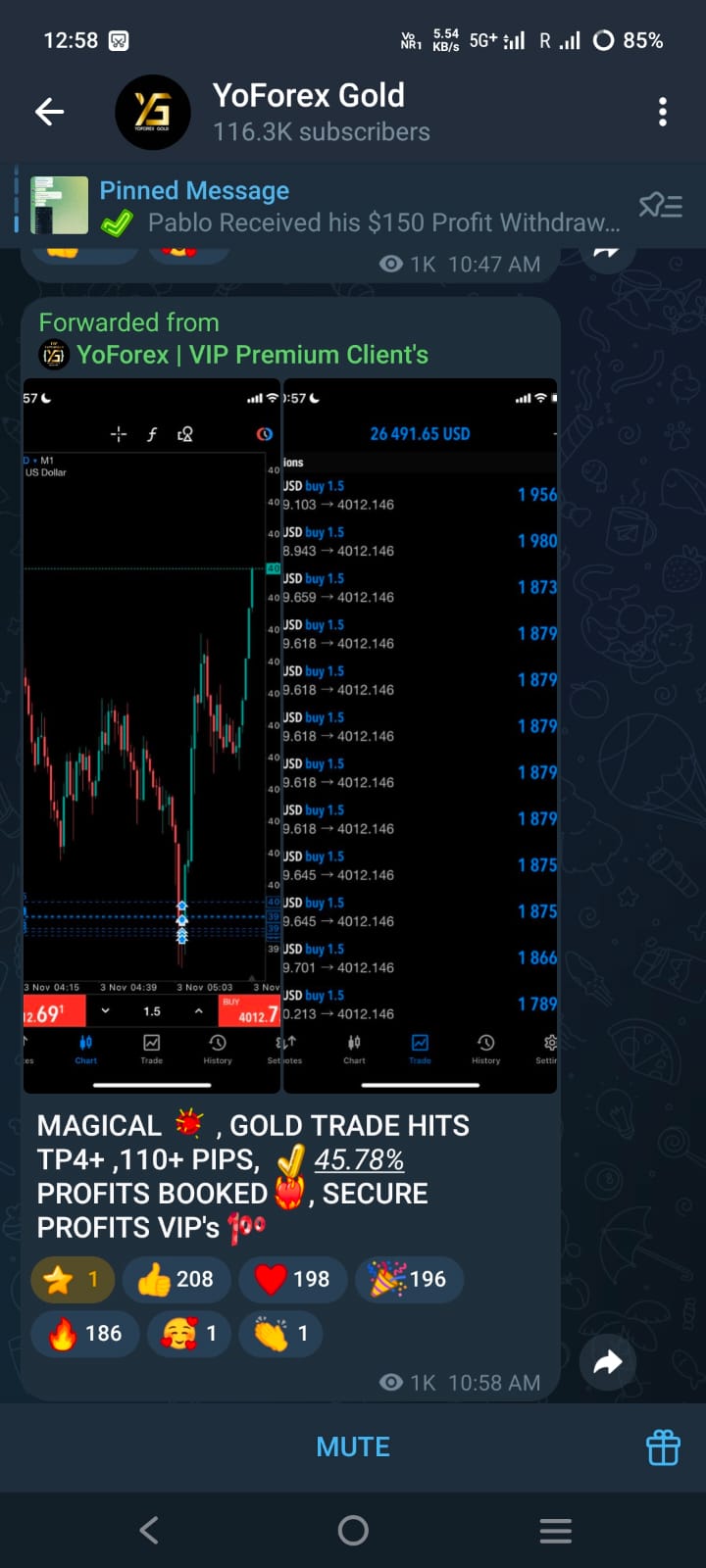
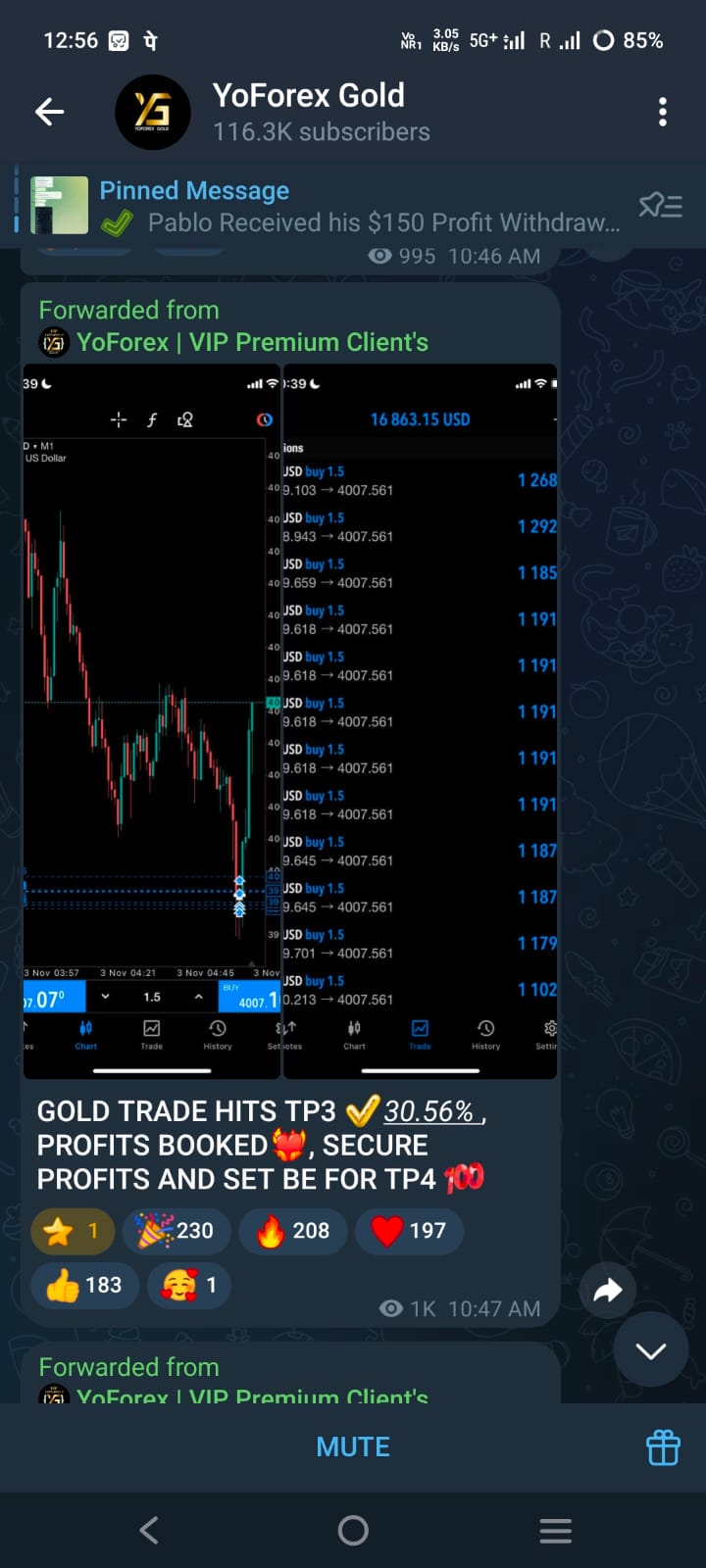
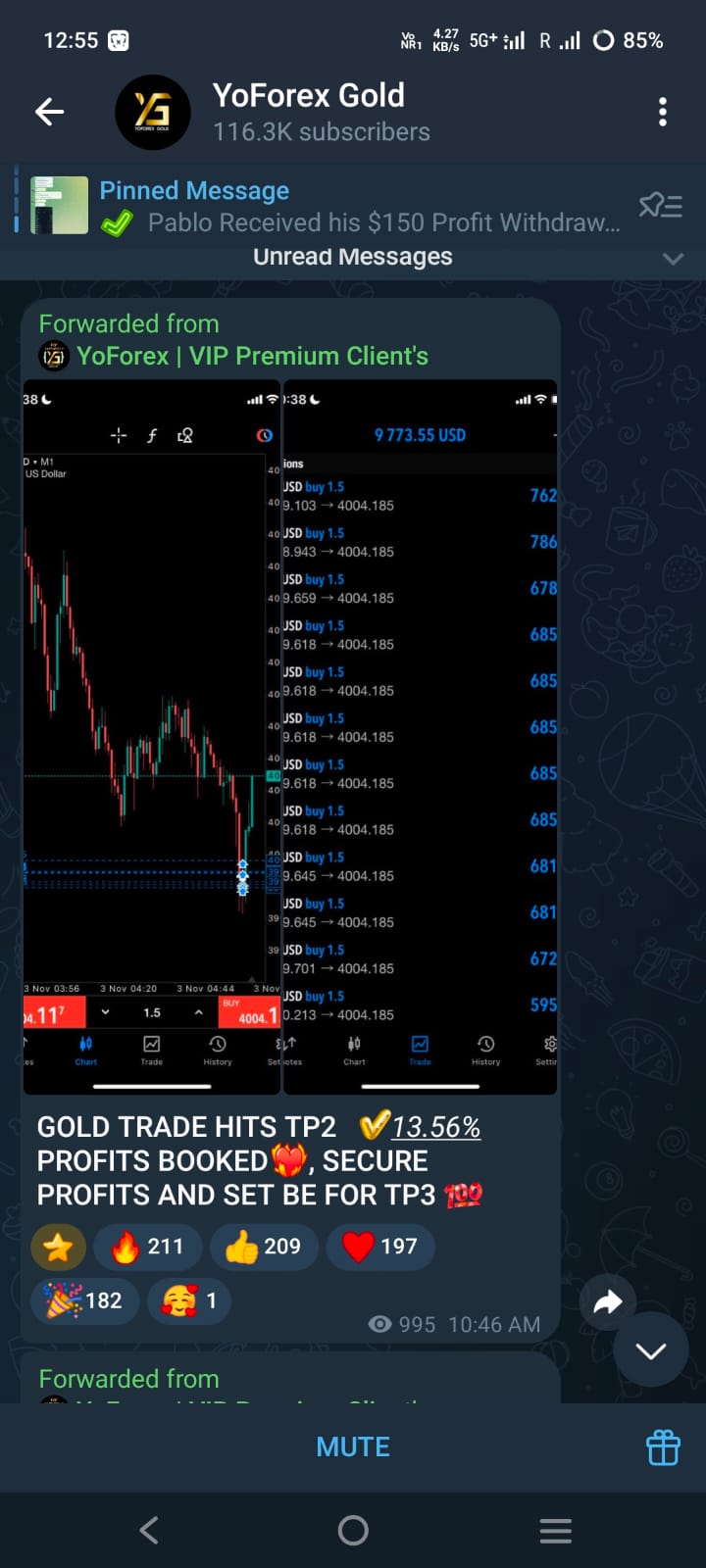
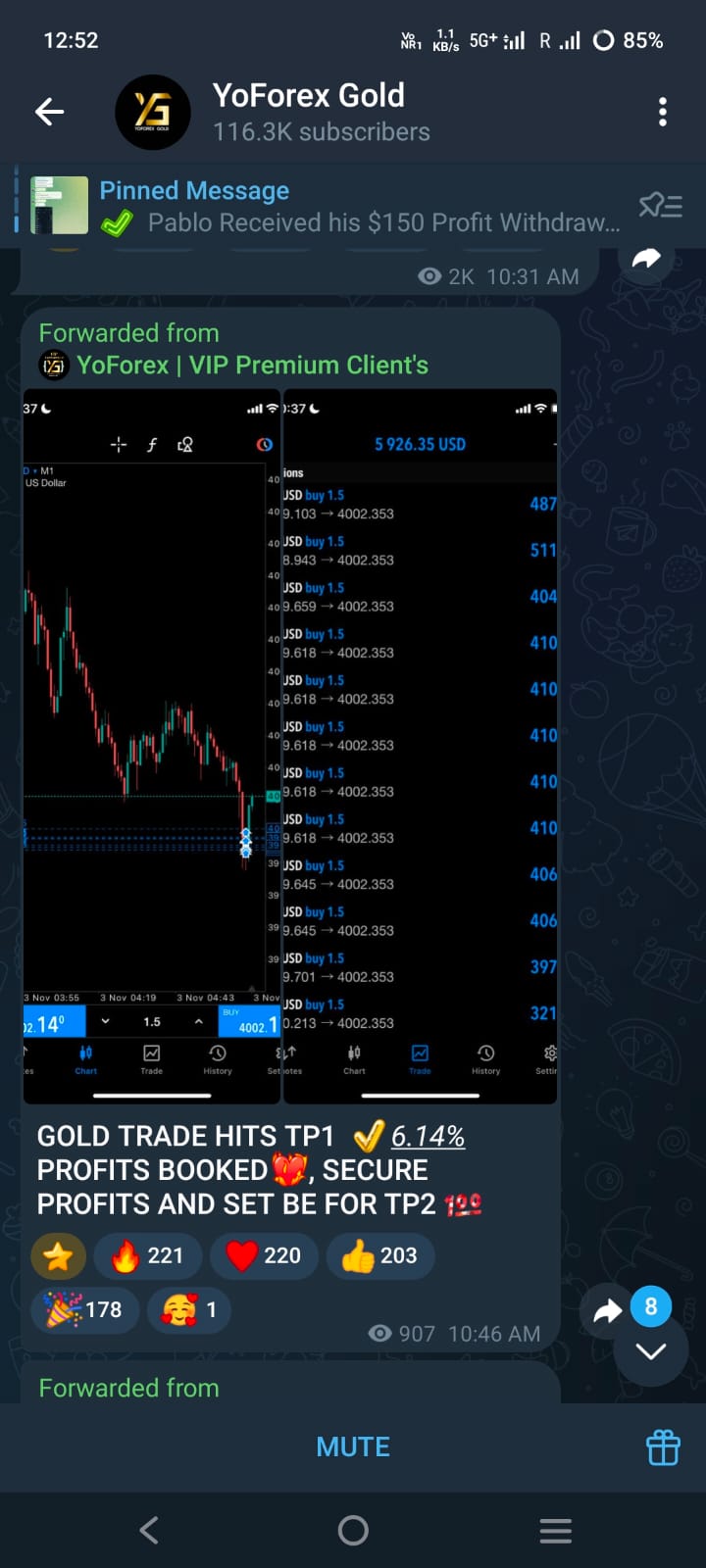
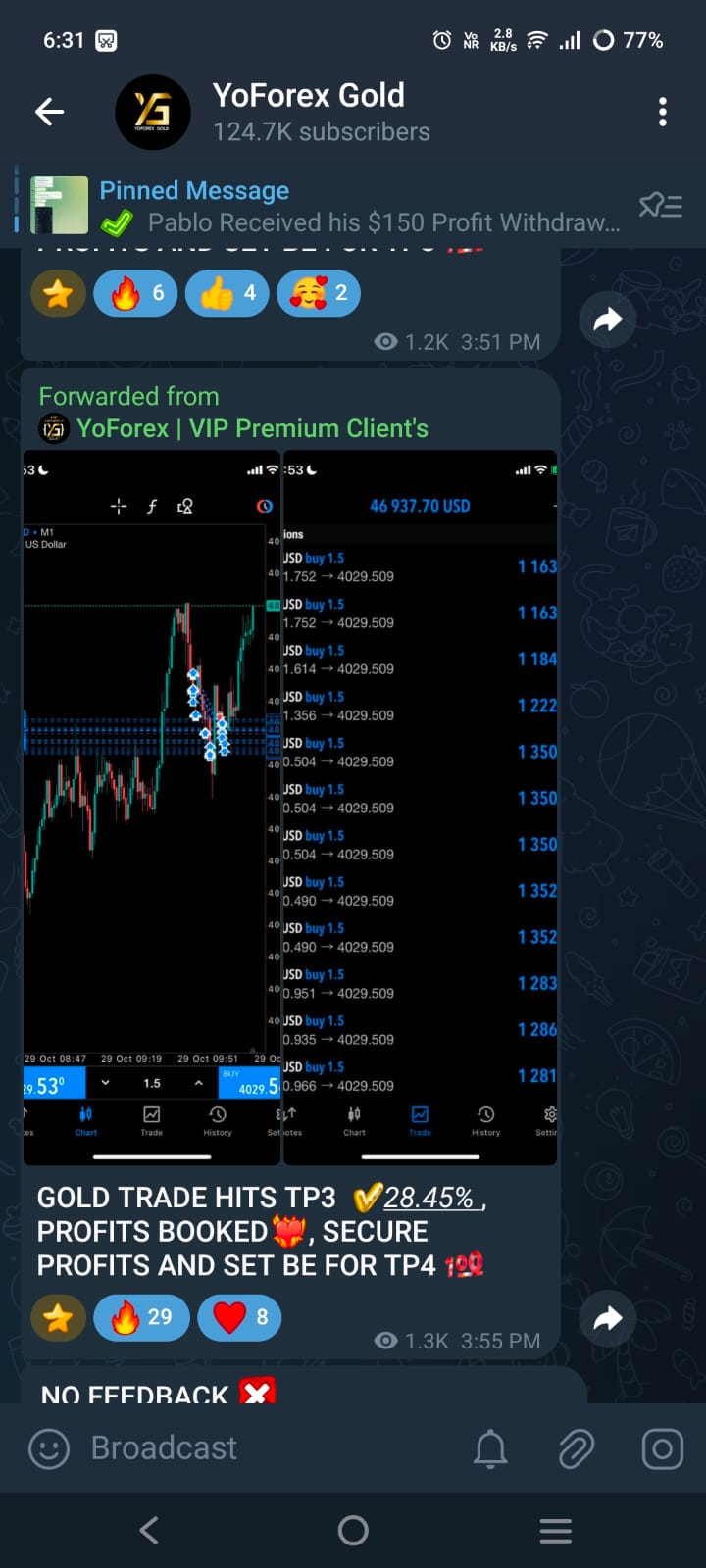
You've probably seen screenshots showcasing impressive gains, fancy trading setups, or influencers boasting about making \$2,000 before lunchtime. Enticing, right?
But let's be clear—trading is not a get-rich-quick scheme.
If you're thinking, *"So I want to be a trader... but where do I even start?"* — this blog-course is designed for you. Whether your goal is to trade forex, crypto, stocks, or indices**, this is your straightforward guide to getting started the right way.
Grab a coffee and save this page. Your trading adventure starts now.
Module 1: Understanding What Trading Truly Means
Before even looking at a chart, let's debunk some myths:
* Trading is not gambling (unless that's your method).
* You don't need a million-dollar account.
* You *will lose trades—even the best traders experience this.
What does a trader actually do?
A trader buys and sells financial instruments like currency pairs (forex), stocks, commodities, or crypto with the objective of making a profit. They utilize tools such as technical analysis, price action, and indicators to predict market movements.
There's a wide range of trader types:
* Scalpers**: Enter and exit positions in seconds or minutes
* Day traders**: Close all trades within a single day
* Swing traders**: Hold positions from a few days to weeks
* Position traders**: Trade long-term moves based on fundamentals
Ask yourself: *Which area truly sparks your interest?*
* Forex – 24/5 market, high liquidity, significant volatility
* Crypto – 24/7 trading, extreme price swings, suited for risk-takers
* Stocks – More stable, suitable for longer-term swing trades
* Commodities/Indices – Gold, Oil, NASDAQ, etc., frequently more predictable
???? For beginners, forex or crypto is usually the first area of focus, thanks to lower capital needs and flexible hours.
* Broker account – Choose a regulated broker with narrow spreads and reliable support.
* Trading platform – MT4, MT5, or TradingView are popular options.
* Demo account – Practice without risking your own funds.
* News calendar – Stay informed on important, market-influencing events.
Recommended Tools (Free):
* [MetaTrader 4](https://www.metatrader4.com/en)
* [ForexFactory Calendar](https://www.forexfactory.com/calendar)
* [YoForex Free Bots](https://www.mql5.software) for automation
Here's the core knowledge you **must** learn:
* Support and Resistance
* Breakouts
* Reversals
Use with moderation! A few valuable ones:
* **RSI** (Relative Strength Index)
* **MACD**
* **Moving Averages**
* **Volume**
Risk Management
* Never risk over **1–2% per trade**
* Always use a **stop-loss**
* Employ a **risk-to-reward ratio** of at least 1:2
Here's a straightforward approach to building a strategy:
1. **Select a pair** (e.g., EURUSD)
2. **Choose a timeframe** (e.g., M15, H1)
3. Incorporate 1–2 indicators (e.g., 50 EMA + RSI)
4. Define your **entry, stop loss, and take profit rules**
5. Backtest it using historical data
6. Test it on a demo account for a few weeks
Eventually, you can transition to manual trading or automate using EAs (expert advisors) like those from **YoForex**.
Technical skills won't save you if emotions take control.
* Avoid revenge trading
* Don't overtrade
* Stick to your plan
* Accept losses as a part of the process
Your biggest obstacle isn't the market—it's *you*.
Once you feel confident:
✅ Start with **micro lots**
✅ Focus on 1 or 2 pairs
✅ Document every trade
✅ Keep your emotions in check
Don't rush into a \$1,000 live account and try to double it in a week. Build consistency, not unrealistic expectations.
As your experience grows, consider using tools to streamline your workflow:
* **Expert Advisors (EAs)** – Like **Boring Pips EA** or **Galaxy Gold Scalper**
* **Trading bots for crypto**
* **Indicators** that help filter noise
Start with the free tools on [YoForex.org](https://www.yoforex.org) or [MQL5.software](https://www.mql5.software).
FAQs
**Q: How much capital is needed to begin trading?**
A: You can start with as little as \$50 using a micro account. However, \$100–\$500 is a practical range for safe learning.
**Q: Can I trade part-time?**
A: Absolutely. Many successful traders started while maintaining full-time jobs.
**Q: How long until I become profitable?**
A: Realistically, 6–12 months of consistent learning and practice.
Final Thoughts
So… you *still* want to be a trader?
Great. Because you're already ahead of 90% of beginners who jump in without preparation.
Just remember:
* Begin small
* Be consistent
* Stay humble
* Never stop learning
And, if you ever feel stuck—we're just a WhatsApp or Telegram message away.
Need Help? We're Here.
???? WhatsApp Support: [https://wa.me/+443300272265](https://wa.me/+443300272265)
???? Telegram Group: [https://t.me/yoforexrobot](https://t.me/yoforexrobot)
We can assist with setups, strategies, and identifying the best free tools for your journey.
Comments (0)
No comments yet. Be the first to comment!
Leave a Comment